ASI Protected
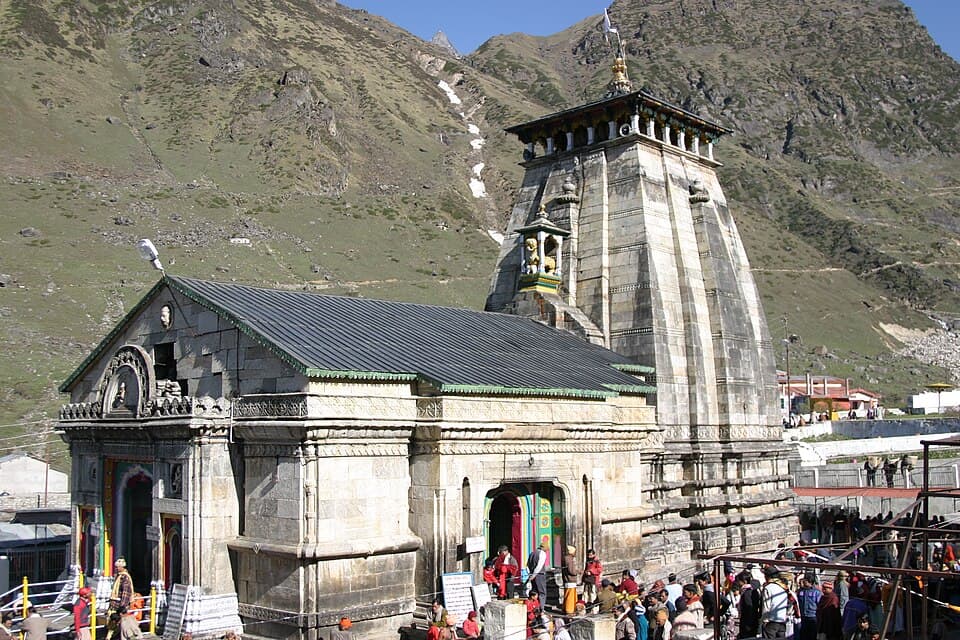
Kedarnath Temple
Kedarnath, Uttarakhand
8th Century CE (attributed to Adi Shankaracharya)
One of the twelve Jyotirlingas and the highest among them, located at 3,583 meters in the Garhwal Himalayas near the Mandakini river. The present temple is attributed to Adi Shankaracharya (8th century CE) though the site has been sacred since the Mahabharata era. It survived the devastating 2013 Uttarakhand floods when a large boulder diverted the floodwaters around it.
Source: Aitihasik heritage database. Use this as a field guide and verify sensitive historical claims before citation.
Details
- Dynasty
- Misc Historic
- Style
- North Indian stone
- Primary Deity
- Shiva (Kedareshwar)
- Languages
- Hindi, Sanskrit
- Scripts
- Devanagari, Sanskrit
Historical Significance
One of the twelve Jyotirlingas (highest at 3,583m). Part of the Char Dham and Panch Kedar pilgrimages. Attributed to Adi Shankaracharya (8th century). Miraculously survived the catastrophic 2013 floods
Architectural Features
Massive stone slab constructionConical shikharaTriangular-shaped Shiva lingam (said to be Shiva's hump)Mandapa with Panchakedar imagesStone carvings of Nandi at entrance